Home
Performance
News
About

中
EN
Piano Keys Express Emotions · Rome Resonates in Sound
Show Details
Piano Keys Express Emotions · Rome Resonates in Sound
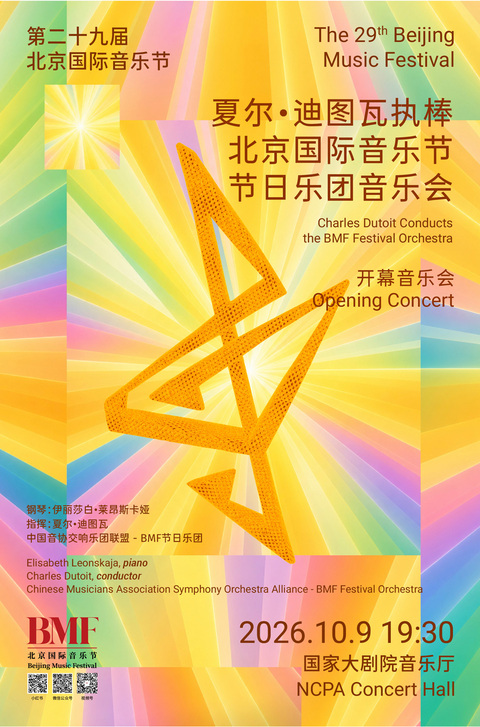
The 29th Beijing Music Festival Opening Concert
Charles Dutoit Conducts the BMF Festival Orchestra
Friday, October 9, 2026, 19:30 NCPA Concert Hall
Charles Dutoit, conductor Elisabeth Leonskaja, piano
BMF Festival Orchestra (Chinese Musicians Association Symphony Orchestra Alliance)
Mozart’s Intimacy Meets the Roar of Rome
Concert Highlights
As the opening concert of the 29th Beijing Music Festival, this programme is built around two evocative images: the piano and Rome. The year 2026 marks the 270th anniversary of Mozart’s birth, as well as the 90th anniversary of the death of Italian composer Ottorino Respighi. Mozart’s piano concerto offers intimate, almost whispered delicacy, while Respighi’s Roman Trilogy unleashes a sweeping orchestral spectacle. Tender and powerful, intimate and monumental, the programme sets an emotional and grand scale for the Festival as a whole.
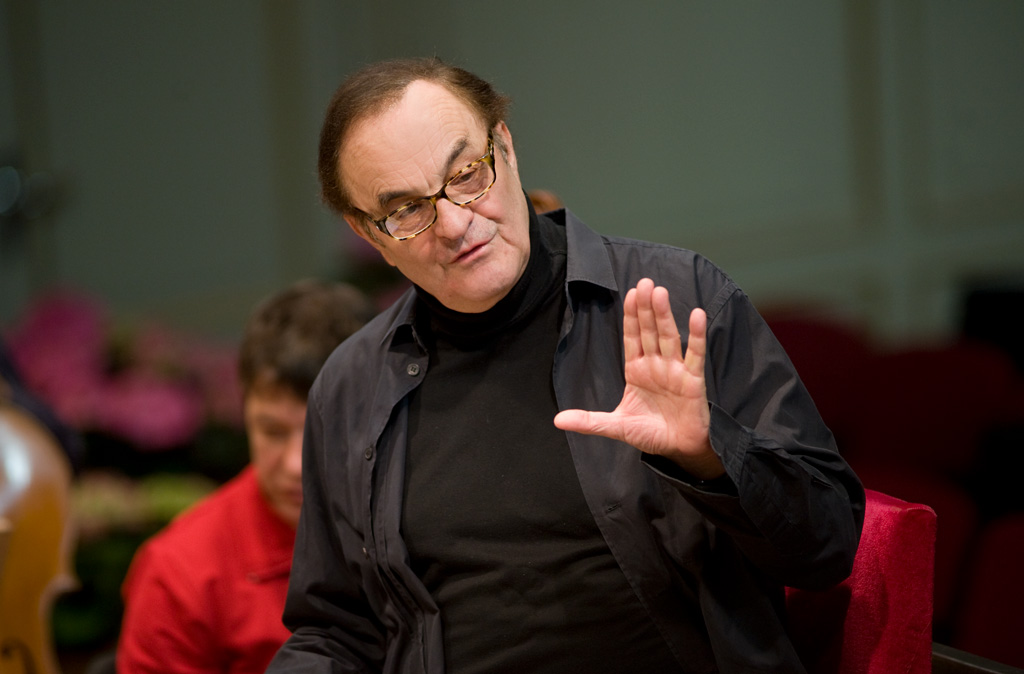
Charles Dutoit is one of the most legendary conductors of our time. His long-standing relationship with the Beijing Music Festival and his extraordinary command of colour and sonority have earned him worldwide recognition, particularly in repertoire rich in French and Latin influences. Respighi’s vibrant and bustling Rome is an ideal canvas for Dutoit: the shimmer of fountains, the breeze through the pines and the crowds of festival-goers will all come vividly to life under his baton. For the audience, this is a rare opportunity to hear the full palette of an orchestra revealed in a single evening.
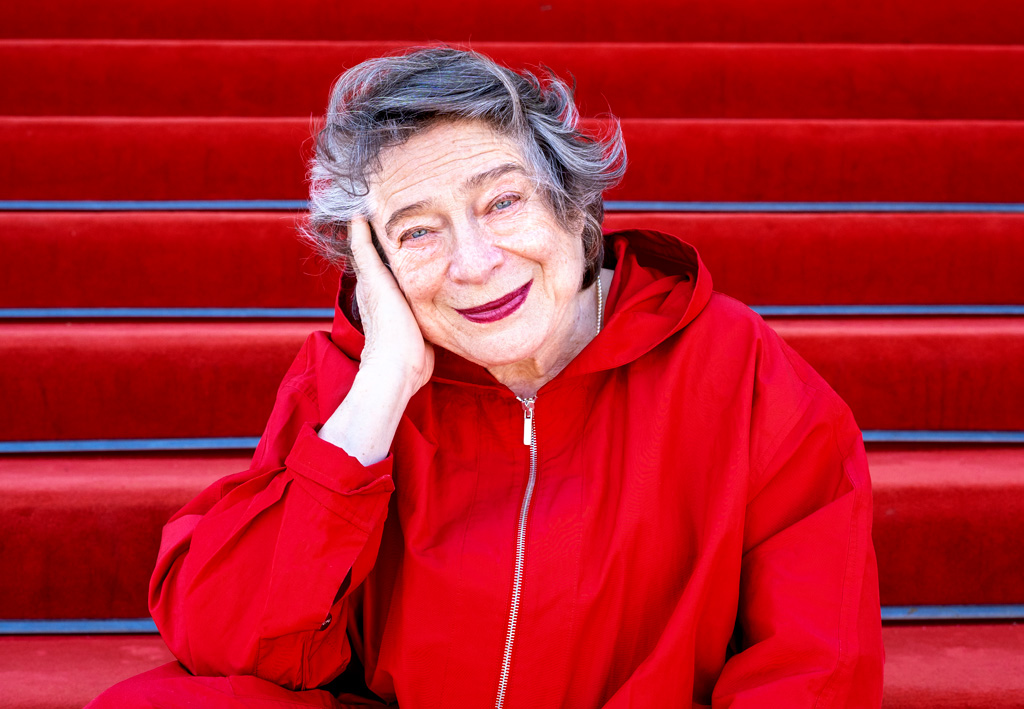
The soloist in the first half, Elisabeth Leonskaja, is herself a living legend. A close collaborator and friend of the great pianist Sviatoslav Richter, she is renowned for playing of profound depth, introspection and understated intensity. She is one of the last major artists to carry forward the tradition of the Russian golden age of piano playing. Her interpretation of Mozart’s Piano Concerto No. 22—one of the composer’s most expansive and richly orchestrated concertos—promises both breadth and tenderness. Particular anticipation surrounds its C-minor second movement, often described as one of Mozart’s most beautiful slow movements.
The second half presents the Roman Trilogy, one of the great orchestral spectacles in the repertoire—yet rarely performed complete in a single concert. The three symphonic poems, Fountains of Rome, Pines of Rome and Roman Festivals, form a series of musical landscapes spanning dawn to dusk and antiquity to modern life. They call for a vast orchestra, organ, thunderous brass, and even a recording of a nightingale. When the Roman legions in the finale of Pines of Rome approach along the Appian Way, the entire concert hall seems destined to tremble. It is a spectacular musical celebration with which to open the Festival.
The BMF Festival Orchestra has been specially assembled for this year’s Festival from leading musicians of orchestras belonging to the Chinese Musicians Association Symphony Orchestra Alliance. This all-star ensemble, under Dutoit’s leadership, is ideally equipped to meet Respighi’s extraordinary demands for orchestral unity and colour.
Programme Notes
Wolfgang Amadeus Mozart: Piano Concerto No. 22 in E-flat major, K. 482
Completed in Vienna at the end of 1785, this concerto dates from the height of Mozart’s creative maturity. It is one of his large-scale piano concertos to include trumpets and timpani, and the first in which clarinets replace oboes. This change gives the work an especially warm and rich woodwind colour.
The first movement is expansive and ceremonial, while the most moving music comes in the C-minor second movement, a theme and variations that shifts between elegiac sorrow and luminous woodwind dialogue. Contemporary accounts suggest that the movement was demanded as an encore at its first performance.
The finale is a bright rondo in which Mozart unexpectedly inserts a graceful minuet-like Adagio. The dancing momentum briefly comes to a halt, turns reflective, and then sets off again. Throughout the concerto, the woodwinds are not merely accompaniment: they frequently form an independent group, engaging in a three-way dialogue with the piano and strings. The result is an unusually rich sound world and one of Mozart’s most spacious and noble piano concertos.
Ottorino Respighi: Roman Trilogy
The Italian composer Ottorino Respighi (1879–1936) established his lasting place in orchestral history with three symphonic poems depicting Rome: Fountains of Rome, Pines of Rome and Roman Festivals. They are not arranged chronologically, but together create a sonic portrait of the Eternal City. Moving from nature to human culture and from antiquity to modern life, Respighi combines impressionistic colour with Wagnerian orchestral scale to create a richly layered musical panorama.
Roman Festivals (1928) is the last completed and most feverishly exuberant of the three. Its four sections evoke gladiatorial contests and martyrdom in the ancient arena, the solemn procession of pilgrims, the festivities of the October grape harvest, and the noisy revelry of Epiphany night in Piazza Navona. In little more than twenty minutes, Rome’s two-thousand-year collective memory is compressed into a near-violent orchestral spectacle.
Fountains of Rome (1916), the earliest of the three works, depicts four fountains at different times of day: the fountain of the Valle Giulia at dawn, the joyful fountain of Triton in the morning sun, the splendour of the Trevi Fountain at midday, and the melancholy stillness of the fountain at the Villa Medici at sunset. Its delicate, constantly shifting colours make it a masterpiece of orchestration.
Pines of Rome (1924) follows four groups of pine trees across the city: children playing in the Borghese Gardens, a shadowy chant in the catacombs, the nightingale heard by moonlight on the Janiculum Hill—one of the earliest uses of a recorded sound in a symphonic score—and the finale, “The Pines of the Appian Way”. In the first light of dawn, the Roman legions advance from afar along the ancient road, their march gathering force through organ and brass until it reaches a blazing climax.
Elisabeth Leonskaja, piano
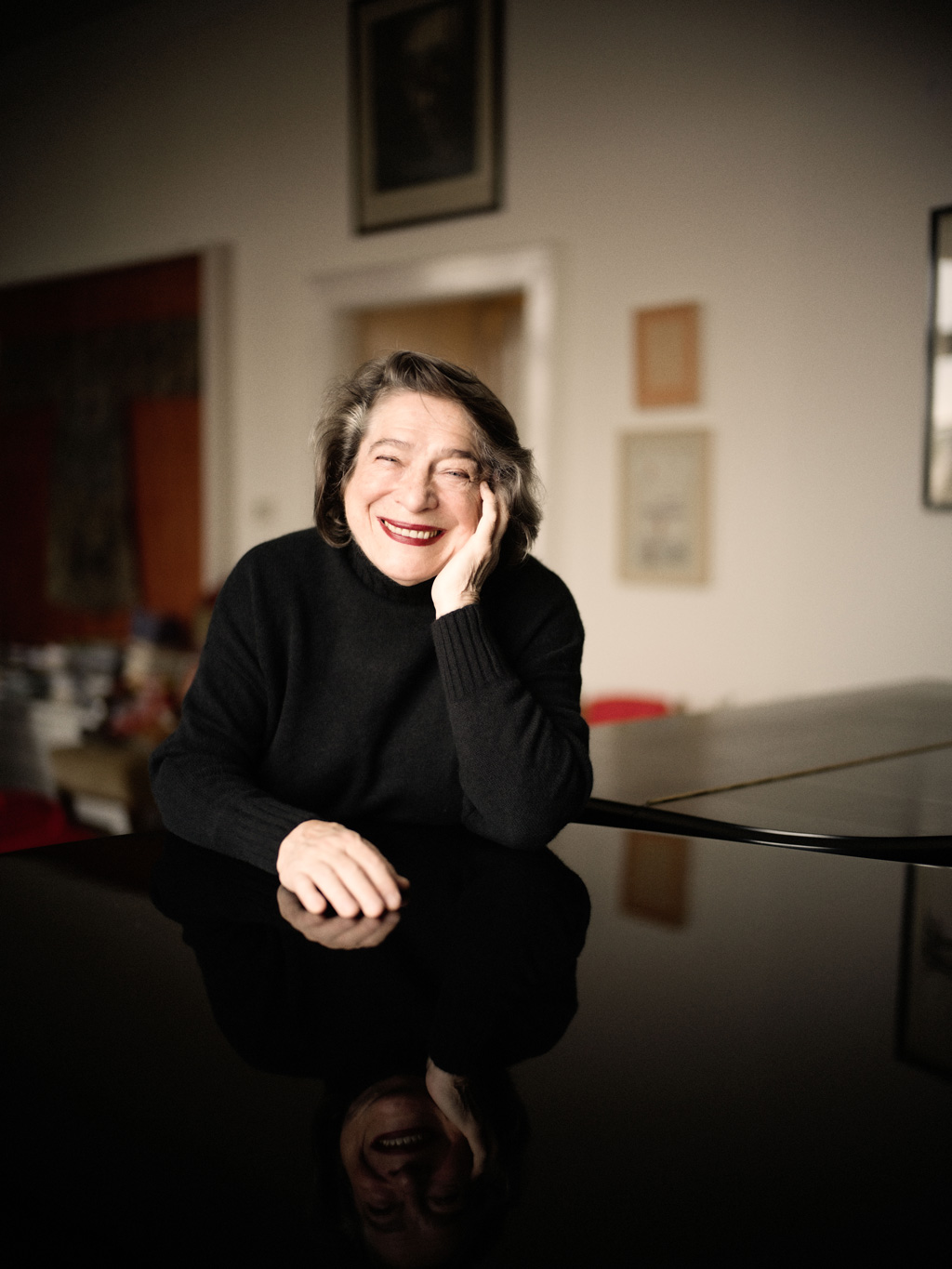
Elisabeth Leonskaja is one of the most important pianists of our time. In 2020, she received the International Classical Music Award for Lifetime Achievement. A few years earlier, her native Georgia had awarded her its highest honor, the title of “Priestess of Art.” In her adopted home of Austria, she was awarded the Austrian Cross of Honour for Science and Art, First Class, for her outstanding contribution to the country’s culture. In 2024, she received the Wigmore Hall Medal in London.
Leonskaja’s artistic development is inseparable from that of the legendary pianist Sviatoslav Richter. Richter recognized her extraordinary talent at an early stage and offered her significant support. Their long artistic partnership developed into a deep friendship that lasted until Richter’s death in 1997.
In 1978, Leonskaja moved to Austria. An acclaimed performance at the Salzburg Festival marked the beginning of her distinguished career. Since then, she has appeared as a soloist with leading orchestras and conductors around the world and has given recitals at the major concert halls of Europe.
Leonskaja is committed to grasping the overall structure of a composition and exploring its inner essence. In addition to her solo performances, chamber music is especially close to her heart. She maintained a long-standing musical partnership with the Alban Berg Quartet, and their joint recordings are regarded as legendary.
Leonskaja has an extensive discography adorned with numerous awards, including the Prix Caecilia and the Diapason d’Or. She has recorded the complete piano sonatas of Franz Schubert and Wolfgang Amadeus Mozart. In 2024, her recordings of the piano concertos by Robert Schumann and Edvard Grieg, made with Michael Sanderling and the Lucerne Symphony Orchestra, were released. Her latest solo album is dedicated to the Second Viennese School: Arnold Schönberg, Anton Webern and Alban Berg.
Charles Dutoit, conductor

For more than six decades, Charles Dutoit has captivated audiences around the world with his exceptional artistry. He is one of the most distinguished and sought-after conductors of our time, having conducted all the leading orchestras across five continents. He has received two of the highest honors in classical music: the Gold Medal of the Royal Philharmonic Society in 2017 and the Lifetime Achievement Award from Teatro La Fenice in Venice in 2022.
He has served as Artistic Director and Principal Conductor of the Royal Philharmonic Orchestra in London and as Principal Guest Conductor of the Saint Petersburg Philharmonic. His artistic collaboration with the Philadelphia Orchestra lasted 32 years. He has regularly conducted leading orchestras in Chicago, Boston, San Francisco, New York and Los Angeles, and frequently appeared on major stages in London, Berlin, Paris, Munich, Hamburg, Moscow, Sydney, Tokyo and Shanghai. Dutoit was Music Director of the Montreal Symphony Orchestra for 25 years and Music Director of the Orchestre National de France from 1991 to 2011. After serving as Principal Conductor and Music Director of the NHK Symphony Orchestra in Tokyo, he is now the orchestra’s Music Director Emeritus.
Dutoit has always been deeply committed to mentoring young musicians. He has served as Music Director of the Sapporo Pacific Music Festival and the Miyazaki International Music Festival in Japan, as well as the Canton International Summer Music Academy in China and the Lindenbaum Festival in Seoul, South Korea. From 2009 to 2017, he was Music Director of the Verbier Festival Orchestra and is now its Conductor Emeritus. He has toured China 40 times, conducting Chinese premieres of major works including Stravinsky’s The Rite of Spring, Britten’s War Requiem, Richard Strauss’s operas Elektra and Salome, and, more recently, Berg’s opera Wozzeck.
While still in his early twenties, Charles Dutoit was invited by Herbert von Karajan to conduct at the Vienna State Opera. Since then, his operatic career has taken him to the world’s leading opera houses, including the Royal Opera House, Covent Garden in London, the Metropolitan Opera in New York, Deutsche Oper Berlin, the Rome Opera and the Teatro Colón in Buenos Aires.
In 2014, he received the Lifetime Achievement Award from the International Classical Music Awards, followed by the Gold Medal of the City of Lausanne in 2016. His more than 200 recordings have received numerous industry awards, including Grammy Awards.
Driven by a deep passion for history, archaeology, political science, art and architecture, Dutoit is an accomplished globetrotter who has traveled to all 196 countries of the world.
BMF Festival Orchestra - Shanghai Symphony Orchestra
Elisabeth Leonskaja, piano
Elisabeth Leonskaja is one of the most important pianists of our time. In 2020, she received the International Classical Music Award for Lifetime Achievement. A few years earlier, her native Georgia had awarded her its highest honor, the title of “Priestess of Art.” In her adopted home of Austria, she was awarded the Austrian Cross of Honour for Science and Art, First Class, for her outstanding contribution to the country’s culture. In 2024, she received the Wigmore Hall Medal in London.
Leonskaja’s artistic development is inseparable from that of the legendary pianist Sviatoslav Richter. Richter recognized her extraordinary talent at an early stage and offered her significant support. Their long artistic partnership developed into a deep friendship that lasted until Richter’s death in 1997.
In 1978, Leonskaja moved to Austria. An acclaimed performance at the Salzburg Festival marked the beginning of her distinguished career. Since then, she has appeared as a soloist with leading orchestras and conductors around the world and has given recitals at the major concert halls of Europe.
Leonskaja is committed to grasping the overall structure of a composition and exploring its inner essence. In addition to her solo performances, chamber music is especially close to her heart. She maintained a long-standing musical partnership with the Alban Berg Quartet, and their joint recordings are regarded as legendary.
Leonskaja has an extensive discography adorned with numerous awards, including the Prix Caecilia and the Diapason d’Or. She has recorded the complete piano sonatas of Franz Schubert and Wolfgang Amadeus Mozart. In 2024, her recordings of the piano concertos by Robert Schumann and Edvard Grieg, made with Michael Sanderling and the Lucerne Symphony Orchestra, were released. Her latest solo album is dedicated to the Second Viennese School: Arnold Schönberg, Anton Webern and Alban Berg.
Charles Dutoit, conductor
For more than six decades, Charles Dutoit has captivated audiences around the world with his exceptional artistry. He is one of the most distinguished and sought-after conductors of our time, having conducted all the leading orchestras across five continents. He has received two of the highest honors in classical music: the Gold Medal of the Royal Philharmonic Society in 2017 and the Lifetime Achievement Award from Teatro La Fenice in Venice in 2022.
He has served as Artistic Director and Principal Conductor of the Royal Philharmonic Orchestra in London and as Principal Guest Conductor of the Saint Petersburg Philharmonic. His artistic collaboration with the Philadelphia Orchestra lasted 32 years. He has regularly conducted leading orchestras in Chicago, Boston, San Francisco, New York and Los Angeles, and frequently appeared on major stages in London, Berlin, Paris, Munich, Hamburg, Moscow, Sydney, Tokyo and Shanghai. Dutoit was Music Director of the Montreal Symphony Orchestra for 25 years and Music Director of the Orchestre National de France from 1991 to 2011. After serving as Principal Conductor and Music Director of the NHK Symphony Orchestra in Tokyo, he is now the orchestra’s Music Director Emeritus.
Dutoit has always been deeply committed to mentoring young musicians. He has served as Music Director of the Sapporo Pacific Music Festival and the Miyazaki International Music Festival in Japan, as well as the Canton International Summer Music Academy in China and the Lindenbaum Festival in Seoul, South Korea. From 2009 to 2017, he was Music Director of the Verbier Festival Orchestra and is now its Conductor Emeritus. He has toured China 40 times, conducting Chinese premieres of major works including Stravinsky’s The Rite of Spring, Britten’s War Requiem, Richard Strauss’s operas Elektra and Salome, and, more recently, Berg’s opera Wozzeck.
While still in his early twenties, Charles Dutoit was invited by Herbert von Karajan to conduct at the Vienna State Opera. Since then, his operatic career has taken him to the world’s leading opera houses, including the Royal Opera House, Covent Garden in London, the Metropolitan Opera in New York, Deutsche Oper Berlin, the Rome Opera and the Teatro Colón in Buenos Aires.
In 2014, he received the Lifetime Achievement Award from the International Classical Music Awards, followed by the Gold Medal of the City of Lausanne in 2016. His more than 200 recordings have received numerous industry awards, including Grammy Awards.
Driven by a deep passion for history, archaeology, political science, art and architecture, Dutoit is an accomplished globetrotter who has traveled to all 196 countries of the world.
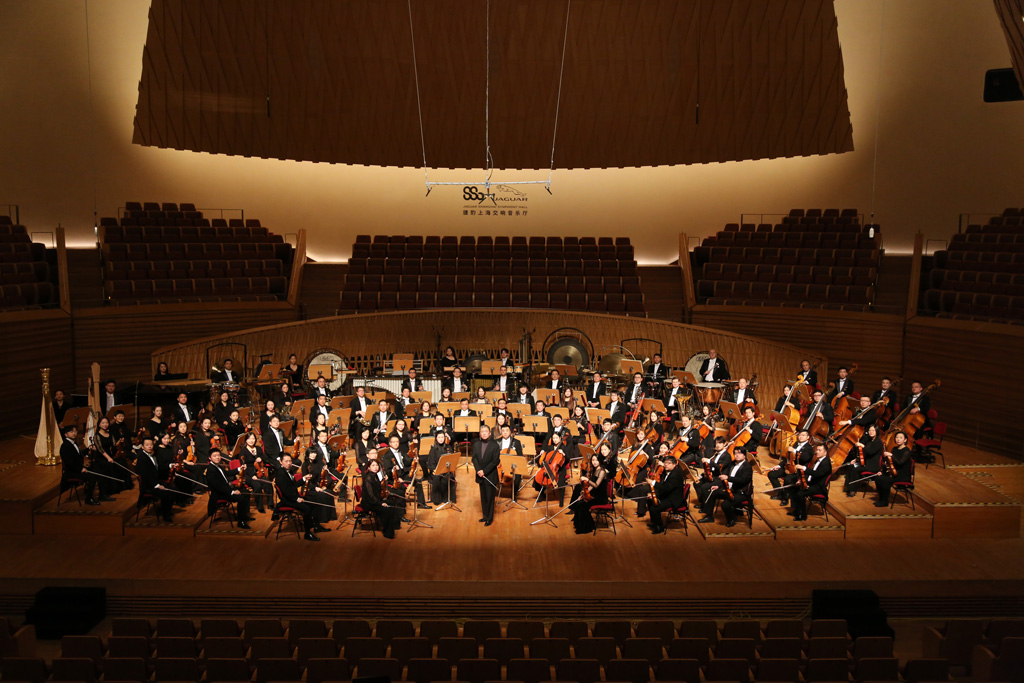
BMF Festival Orchestra - Shanghai Symphony Orchestra
The Shanghai Symphony Orchestra, the oldest symphony orchestra in Asia, traces its origins to the Shanghai Public Band founded in 1879. It was renamed the Shanghai Municipal Orchestra in 1922 and officially adopted its current name in 1956. Notably under the baton of the Italian conductor Mario Paci, the orchestra promoted Western music and trained Chinese young talents early in China, and was the first to introduce Chinese orchestral music to audiences, hence earning the reputation of “the best in the Far East.”
With a 147-year history, the Shanghai Symphony Orchestra may be regarded as a chronicle of China’s symphonic music development. Spanning three centuries, the orchestra has now embraced a new era; it has held over ten thousand concerts—giving premieres of several thousand musical works—and has played a major role in collaborations with world-class musicians on both international and domestic stages, gaining a reputation as the most authoritative interpreter of Chinese symphonic compositions while promoting them with every possible endeavor. It was the very first orchestra in China to institute a Governing Council and to manage a high-quality concert season with a ticket pre-sale system. The orchestra created a series of musical programs, including the Concert Season, the Shanghai New Year’s Concert, the Spring Festival Concert, the Music in the Summer Air, and the SSO in Chamber series. These performances have not only fostered cultural exchange but have also built bridges between people, orchestras and nations.
Since the 1970s, the Shanghai Symphony Orchestra has toured dozens of countries and regions, earning recognition as a pioneering Chinese ensemble on the international stage. It made its Carnegie Hall debut in 1990 and became the first Chinese orchestra to perform at the Berliner Philharmonie in 2004; in 2010, it was the only Chinese orchestra invited to appear in the summer concert series at New York’s Central Park. In August 2015, the orchestra performed at the United Nations Hall in a concert commemorating the 70th anniversary of the victory in the World Anti-Fascist War. In the summer of 2017, the orchestra embarked on a European tour, with appearances in Tyrol and Hamburg, and a historic debut at the Lucerne Festival as the first Chinese orchestra ever invited to that prestigious event. In August 2019, as part of its 140th anniversary celebrations, the orchestra undertook a tour of five countries and seven cities—Washington, Chicago, Edinburgh, Lucerne, Grafenegg, Amsterdam, and London—making its debuts at the BBC Proms, Ravinia Festival, and Edinburgh International Festival, while also returning to Lucerne and Grafenegg after its 2017 visits. Most recently, in March 2026, the orchestra completed an Asia-Pacific tour to Melbourne, Sydney, Auckland, and Singapore, and received strong praise for its performances.
The orchestra also pioneered co-commissioning with world-leading orchestras and renowned composers, partnering with the New York Philharmonic on works such as John Corigliano’s One Sweet Morning, while also commissioning Chinese composers like Qigang Chen, Xiaogang Ye, Zhou Long, Zhao Lin, Liu Sola, Zhou Tian and Elliot Leung to create pieces deeply rooted in Chinese heritage, including Instants d'un Opéra de Pékin, The Song of Farewell, Classic of Mountains and Seas, A Thousand Li of Rivers and Mountains, The Legend of Monkey King, Chinese Kitchen and others. In 2023, Émigré, co-commissioned by Music Director Long Yu, the orchestra, and the New York Philharmonic, received its world premiere with the orchestra and was subsequently performed by leading ensembles worldwide, bringing the “voice of Shanghai” to audiences across the globe.
The Shanghai Symphony Orchestra’s recording legacy spans nearly a century, evolving from early physical releases to a vibrant digital ecosystem that serves as a living archive of its artistic journey. As early as 1929, the orchestra recorded for Odeon, producing some of the earliest known Chinese orchestral recordings. In 1988, it became the first Chinese orchestra to complete a full cycle of Beethoven’s symphonies. In recent years, the orchestra has expanded in both physical and digital formats. In 2018, it signed with Deutsche Grammophon, becoming the first Chinese orchestra to have its recordings globally distributed by the label, and issued critically acclaimed albums including Gateways, The Song of the Earth, and Émigré. In 2025, the orchestra embarked on a four-season project to record the complete Shostakovich symphonies, making it the first Chinese ensemble to do so; the first batch of recordings is scheduled for digital release in September 2026. Meanwhile, the orchestra’s Digital Concert Hall continues to offer online content, and its recordings are streamed across major platforms worldwide, ensuring that its century-long legacy reaches audiences everywhere.
With Shanghai Symphony Hall officially put into use in September 2014, the orchestra carries centuries of dreams into reality and embarks on a new orchestra-venue integration model. The SOA—a joint initiative between the Shanghai Symphony Orchestra, the New York Philharmonic and the Shanghai Conservatory of Music—held an orientation for its students. The SSO in Chamber concerts, which started in 1984 and have been held regularly since 1991, will be continued in the new Chamber Hall. The 3rd Shanghai Isaac Stern International Violin Competition was successfully held.
Over the past 147 years, the Shanghai Symphony Orchestra has fulfilled its mission of “Music Connecting Worlds”. Under the guidance of Shanghai’s city spirit, Chinese cultural characteristics, and international trends, it has become a promoter and cultivator of Eastern and Western cultural exchanges and Asian music education, continuing its glorious dream for three centuries.
BMF Festival Orchestra - China Philharmonic Orchestra
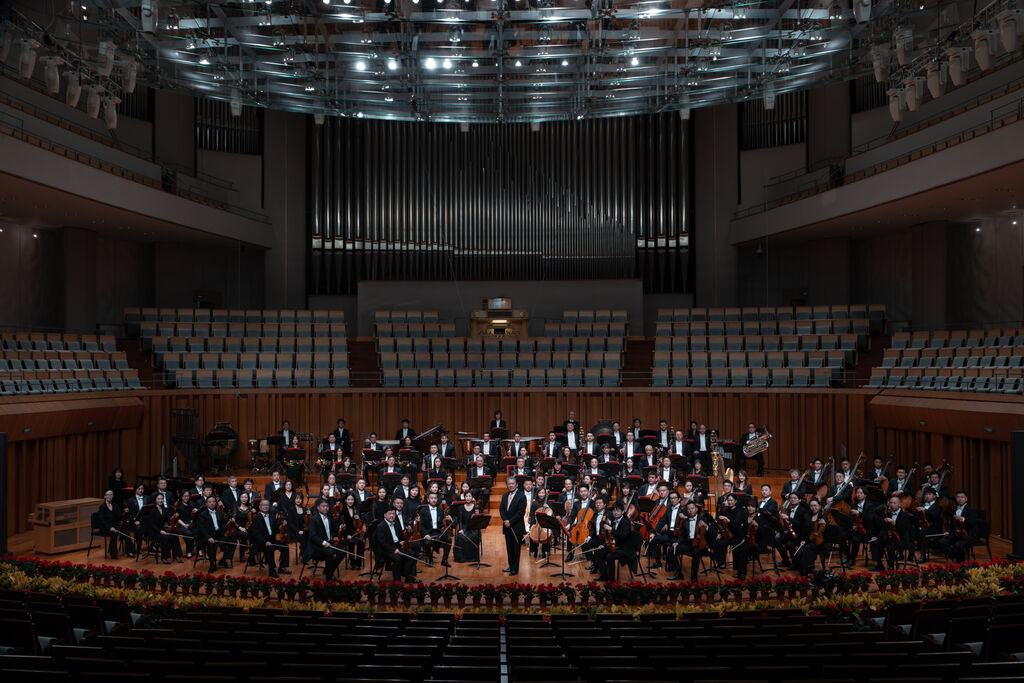
The China Philharmonic Orchestra was founded on 25 May 2000 on the basis of the China Broadcasting Symphony Orchestra. It is a national-level orchestra administered by the State Administration of Radio and Television, with Long Yu serving as Artistic Director and Chief Conductor.
Since its foundation, the CPO has presented more than one thousand concerts and performed more than 6,000 works with over 1,000 artists from China and abroad. In 2009, it was named by Gramophone as one of the ten most influential orchestras in the world.
The orchestra has undertaken major projects including complete cycles of Mahler’s symphonies and Beethoven’s symphonies and concertos. It has also presented numerous world and Chinese premieres, promoted new Chinese music and appeared at major international venues and festivals including the BBC Proms and the Paul VI Audience Hall in the Vatican.
Between 2000 and 2006, the China Philharmonic collaborated with Deutsche Grammophon on four recordings, becoming the first Chinese orchestra to work with a major international record label and release recordings worldwide. In 2012, it released a 100-CD box set of live recordings from previous seasons.
BMF Festival Orchestra - Beijing Symphony Orchestra
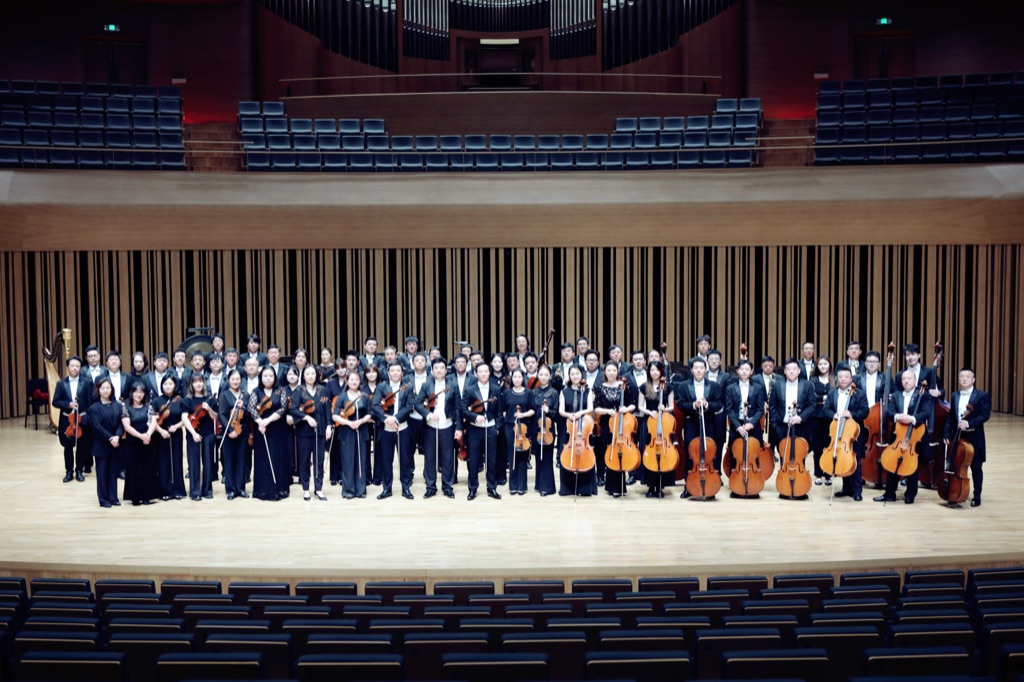
Founded in October 1977 and affiliated with the Beijing Municipal Bureau of Culture and Tourism, the Beijing Symphony Orchestra is known as “the Pearl Symphony Orchestra of the Capital”. Through decades of development, the orchestra has established itself as one of China’s most popular and internationally influential symphony orchestras, recognised for its professional standards, rigorous musicianship, extensive repertoire and profound musical accomplishment.
The Beijing Symphony Orchestra has repeatedly represented China and Beijing in international cultural exchange activities. It has toured Germany, the United Kingdom, Switzerland, Austria, Italy, Poland, Croatia, Hungary, Türkiye, Slovenia, Serbia, Canada and South Korea, as well as performing throughout mainland China and in Hong Kong, Macao and Taiwan.
Between 2001 and 2017, the orchestra completed eight highly acclaimed European tours. In 2013, it made its first tour of the Americas, performing in Mexico and the United States. The Washington Post reported on the tour under the headline: “Beijing Symphony Orchestra Sets off a Classical Music Craze”.
Since 1994, the orchestra has been dedicated to the popularisation of symphonic music, presenting more than one thousand outreach concerts in barracks, factories, mines, schools, communities, concert halls and universities. In 2016, it launched the Capital Citizens’ Concert Hall initiative, bringing classical music into the daily lives of Beijing residents.
In 2024, the orchestra moved into new premises in Taihu Performing Arts Town in Beijing’s Tongzhou District. It also launched the Taihu Classical Music Season and the “Hope of the Future” Children’s Day programme, and founded the Beijing Symphony Orchestra Affiliated Youth Symphony Orchestra to support youth development and arts education.
BMF Festival Orchestra - China Philharmonic Orchestra
The China Philharmonic Orchestra was founded on 25 May 2000 on the basis of the China Broadcasting Symphony Orchestra. It is a national-level orchestra administered by the State Administration of Radio and Television, with Long Yu serving as Artistic Director and Chief Conductor.
Since its foundation, the CPO has presented more than one thousand concerts and performed more than 6,000 works with over 1,000 artists from China and abroad. In 2009, it was named by Gramophone as one of the ten most influential orchestras in the world.
The orchestra has undertaken major projects including complete cycles of Mahler’s symphonies and Beethoven’s symphonies and concertos. It has also presented numerous world and Chinese premieres, promoted new Chinese music and appeared at major international venues and festivals including the BBC Proms and the Paul VI Audience Hall in the Vatican.
Between 2000 and 2006, the China Philharmonic collaborated with Deutsche Grammophon on four recordings, becoming the first Chinese orchestra to work with a major international record label and release recordings worldwide. In 2012, it released a 100-CD box set of live recordings from previous seasons.
BMF Festival Orchestra - Beijing Symphony Orchestra
Founded in October 1977 and affiliated with the Beijing Municipal Bureau of Culture and Tourism, the Beijing Symphony Orchestra is known as “the Pearl Symphony Orchestra of the Capital”. Through decades of development, the orchestra has established itself as one of China’s most popular and internationally influential symphony orchestras, recognised for its professional standards, rigorous musicianship, extensive repertoire and profound musical accomplishment.
The Beijing Symphony Orchestra has repeatedly represented China and Beijing in international cultural exchange activities. It has toured Germany, the United Kingdom, Switzerland, Austria, Italy, Poland, Croatia, Hungary, Türkiye, Slovenia, Serbia, Canada and South Korea, as well as performing throughout mainland China and in Hong Kong, Macao and Taiwan.
Between 2001 and 2017, the orchestra completed eight highly acclaimed European tours. In 2013, it made its first tour of the Americas, performing in Mexico and the United States. The Washington Post reported on the tour under the headline: “Beijing Symphony Orchestra Sets off a Classical Music Craze”.
Since 1994, the orchestra has been dedicated to the popularisation of symphonic music, presenting more than one thousand outreach concerts in barracks, factories, mines, schools, communities, concert halls and universities. In 2016, it launched the Capital Citizens’ Concert Hall initiative, bringing classical music into the daily lives of Beijing residents.
In 2024, the orchestra moved into new premises in Taihu Performing Arts Town in Beijing’s Tongzhou District. It also launched the Taihu Classical Music Season and the “Hope of the Future” Children’s Day programme, and founded the Beijing Symphony Orchestra Affiliated Youth Symphony Orchestra to support youth development and arts education.
Wolfgang Amadeus Mozart:
Piano Concerto No. 22 in E-flat major, K. 482
35′
—Intermission—
Ottorino Respighi: Roman Trilogy
Roman Festivals, P. 157 25′
Fountains of Rome, P. 106 16′
Pines of Rome, P. 141 21′
Elisabeth Leonskaja, piano
Charles Dutoit, conductor
Chinese Musicians Association Symphony Orchestra Alliance - BMF Festival Orchestra
Approximate total duration: 112 mins (including 15 mins intermission)
The program is subject to change
 Wechat Video
WeChat Official Account
WeChat Mini Program
Wechat Video
WeChat Official Account
WeChat Mini Program
 Redbook
 Tiktok